ROCKET ENGINE TEST
STANDS AND FACILITIES
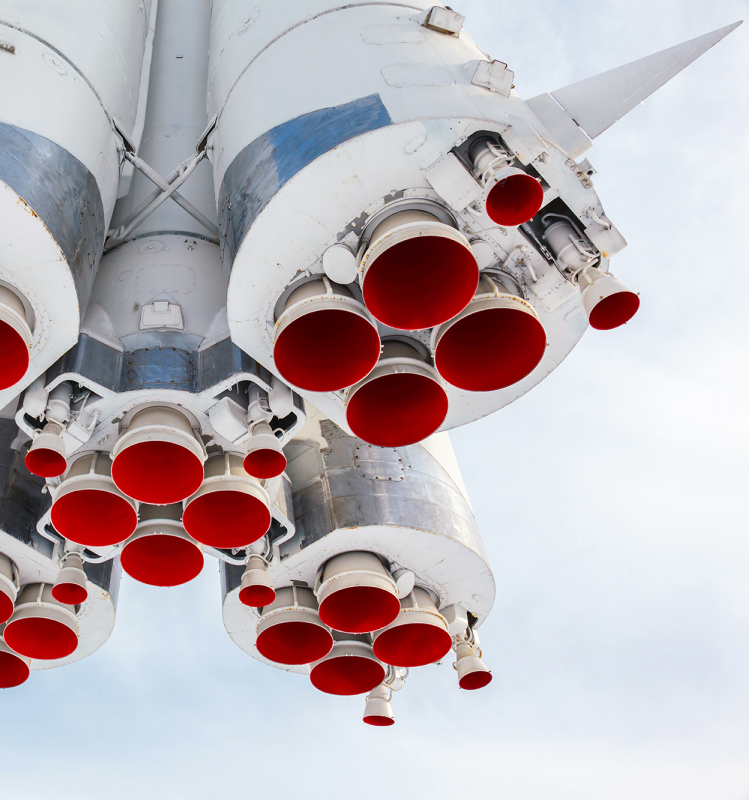
The engineering and design of complex Rocket Engine Test Facilities is a unique capability of EDF Inc. Rocket engine testing involves hazardous cryogenic propellants such as liquid hydrogen and liquid oxygen, usually at very high pressures, which requires specialized knowledge by the engineering firm. Also, most upper stage rocket engines must be tested at altitude conditions, which requires a complex altitude enclosure and a steam evacuation system. The cooling of the exhaust diffuser is a major challenge due to the high rocket engine exhaust temperatures. EDF Inc. can provide full Engineering, Project and Construction Management services for Rocket Engine Test Facilities, including:
- Altitude enclosures and diffusers
- Steam Systems for evacuation, including boilers, ejectors, piping and controls
- Cryogenic high pressure piping
- Thrust Measuring Systems
- Electrical and high response controls
- Engine Control System, consisting of abort systems, sequencer, operator console, etc.
- High speed Data Acquisition Systems
- Hydraulic Systems
- High pressure, high response valves
- Special Test Equipment
- Turbo Pump Testing
- Transportation support equipment
Specific Rocket Engine Test Stands, Facilities and Equipment programs EDF has supported include RL10, RL-60, COBRA, CECE, RD-120, RD-180, SSME and J-2X.
The following topics were supported by EDF or its employees either by project management, design engineering or consulting. In most cases EDF also provided varying levels of detail design, drafting, procurement, fabrication support, installation support, operation and maintenance support.
ROCKET ENGINE &
TURBOPUMP TEST STAND
DESIGN AND OPERATION
- 50K Liquid Oxygen Turbopump
- 50K Liquid Hydrogen Turbopump
- Breadboard engine
- Liquid Oxygen and Liquid Hydrogen Turbopumps in separate test cells – Thrust Chamber mounted
- in middle test cell – both pumps gas turbine driven – liquid hydrogen and Liquid Oxygen flow diverted into chamber during test firings
- 200K preburner and main chamber
- Liquid Oxygen and Liquid Hydrogen pressure feeds
- 350k size high pressure Liquid Hydrogen Turbopump facility
- 350k size high pressure Liquid Oxygen Turbopump facility
- Metals Embrittlement under high pressure hydrogen gas
- Water flow injector(5000gpm)
- Bearings and seals in liquid hydrogen
- RL10 Horizontal firing altitude stands
- Laser combustor testing
- Twin RL10 Test Stand
- Vertical firing into water cooled flame ducts
- Launch vehicle pumps and piping
- RL10 Vertical firing test cells
- Liquid Hydrogen/Liquid Fluorine Test
- Independent o/f and thrust control over a wide range of operating conditions
- Space shuttle main engine Turbopumps Test
- Cell (1988-1991)
- Liquid Oxygen/Liquid Hydrogen pressure fed preburner
- Hot GH2 gas driven Liquid Oxygen or Liquid Hydrogen turbopump
- Flow rates to 17,000 GPM (LH2)
- Pressures – 6, 000 – 13,000 psi
- Turbine inlet temperatures to 1,900° R
- Simulated space shuttle engine ramp from start to Maximum Power
- High response control system
- Test article model for pretest checkout
- Test termination system
- Russian RD120 testing with Liquid Oxygen /Kerosene (1990)
- Structural installation of the RP(kerosene) tank
- Modifications to the propellant flow lines
- Electrical control and data acquisition systems
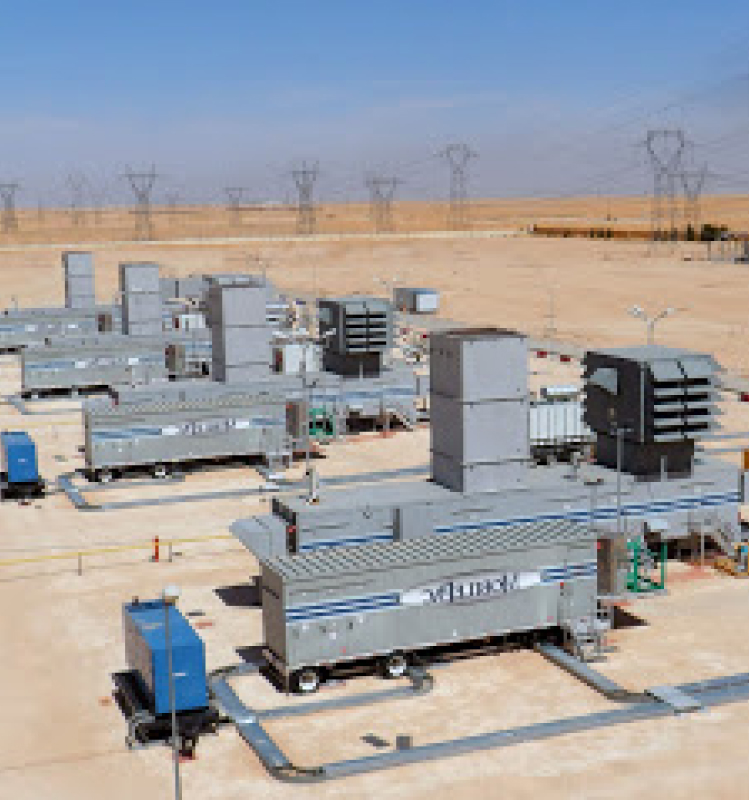
- Liquid Nitrogen and Liquid Methane storage system modifications (2008)
- RL10 horizontal firing altitude test cell (1995)
- Liquid Oxygen/Liquid Hydrogen propellants
- Altitude start below 1psia w/steam jet ejector system
- Water cooled diffuser/ejectors
- Operator Console (1988-1991)
- Design, Fabricate and activate
- Misc. (1988-2008)
- Safety Equipment/leak detection
- Fire Protection
- Hoisting
- Environmental Engineering
- High response test termination systems
- Data/control system for new test facility for space shuttle replacement engine (NASA) (1992-1996)
LIQUID NITROGEN AND
LIQUID METHANE STORAGE
SYSTEM MODIFICATIONS
- 90,000 gal Liquid Hydrogen / 20,000 gal Liquid Oxygen storage and transfer system
- Liquid Hydrogen and Liquid Nitrogen piston pumps & vaporizers
- High pressure (10,000 – 13,000 psi) Nitrogen Gas storage vessels
- High pressure (10,000 psi) Hydrogen gas storage vessels
- High response pressurization systems (6000 psi) for pressure fed combustor testing
- Liquid Methane Turbopump test cell modifications (2008)
- Conditioned Hydrogen gas driven turbine supply
- Single shaft Turbopump – Liquid Oxygen/Methane
- RL65 Rocket Engine Test Stand (2003)
- Water cooled diffuser/ejector
- Vacuum jacketed piping
- Engine mount
- Liquid hydrogen & oxygen system modifications
- Altitude chamber
Frequently Asked Questions
What is the purpose of a rocket engine test stand?
A rocket engine test stand provides the engineering infrastructure needed to safely fire and evaluate rocket engines under controlled conditions. This involves handling hazardous cryogenic propellants such as liquid hydrogen and liquid oxygen, usually at very high pressures, and for upper stage engines, simulating altitude conditions through a complex altitude enclosure and steam evacuation system. The stand also has to manage major engineering challenges like cooling of the exhaust diffuser, which is difficult due to the high rocket engine exhaust temperature.
What types of rocket engines can be tested on your test stands?
Our team has supported a wide range of programs, including RL10, RL-60, COBRA, CECE, RD-120, RD-180, SSME and J-2X. Our project history covers everything from turbopump-only test cells to full engine firings — including work on liquid oxygen and liquid hydrogen turbopumps, preburner and main chamber testing, and Space Shuttle Main Engine turbopump testing, as well as international programs like Russian RD-120 testing with liquid oxygen/kerosene. We’ve also worked with alternative propellant combinations, including liquid oxygen/methane systems.
Are your rocket engine test stands customizable for specific testing requirements?
Yes, customization is vital to how we approach rocket engine test stands. Every stand is tailored to the client’s performance goals, testing objectives, and physical site specifications, since no two rockets or facilities are identical. Test stands are engineered around each client’s specific engine type, thrust levels, propellants, and site constraints rather than being off-the-shelf and are built to be modular and scalable, so aerospace teams can adapt to changing project phases or integrate new propulsion systems as a project evolves.
What industries use your rocket engine test stands?
Our rocket engine test stand work has primarily served the aerospace and government propulsion sectors — supporting Pratt & Whitney, the nation’s number one rocket engine provider, as well as NASA-related programs, such as a data/control system built for a space shuttle replacement engine program for NASA. This reflects broader involvement across OEM engine manufacturers and government space/defense agencies.